Smart Play in Community Card Variants
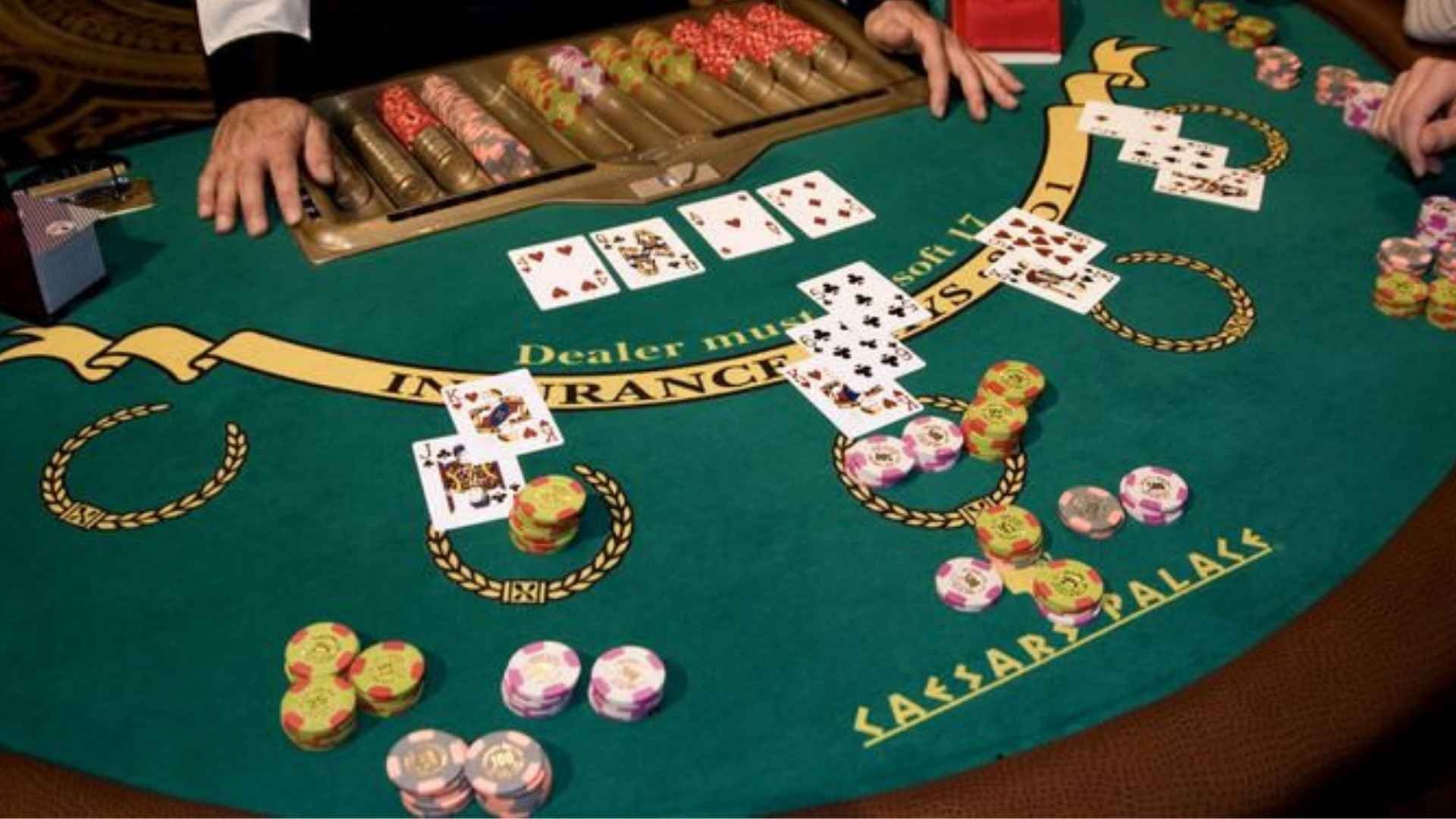
Community card poker variants require a sophisticated blend of spatial discipline, math, and psychological sharpness. Navigating these popular shared-card setups successfully involves looking beyond your basic individual holdings to read the table dynamics. Developing a tactical methodology helps enthusiastic players minimize variance and capitalize on opponents' structural mistakes.
Evaluating Changing Board Textures
Every new shared card dealt to the center of the table alters the equity distributions dramatically. Smart participants evaluate these texture shifts continuously to determine how specific turn or river arrivals help or hurt an opponent's perceived range. Recognizing coordinated textures early prevents you from committing chips to marginal holdings when danger presents itself.
A dynamic approach to reviewing community cards keeps you ahead of changing betting patterns. For instance, a board that shifts from disconnected to highly coordinated calls for immediate defensive adjustments. Navigating these sudden transitions effectively is much easier when practicing strategy on a reliable digital platform like m88 alternatif to hone your table awareness.
The Crucial Leverage of Table Position
Position remains the foundational pillar of long-term success in all community card poker structures. Acting last provides an invaluable information advantage since you can observe how every adversary handles their cards first. This extra visibility lets you manage pot dimensions carefully or execute sophisticated bluffs with high efficiency.
Conversely, occupying early seating requires immense patience and narrow starting hand choices. Entering pots out of position regularly invites tricky post-flop decisions that deplete your stack over time. Experienced players voluntarily surrender speculative cards early in a betting round to protect their chips from disadvantageous situations.
Reconstructing Plausible Hand Ranges
Consistent winners avoid putting their adversaries on one exact combination of cards during a hand. Instead, they continually construct an evolving spectrum of possible hands based on an opponent's past patterns and actions. This logical reconstruction removes emotional guesswork from critical situations and leads to clearer strategic execution.
Sudden deviations in standard bet sizes or decision times can provide telling insights into structural card values. Watching how an opponent responds to a pairing card or a potential flush arrival exposes their comfort levels. Capitalizing on these visual and mathematical tendencies forms the ultimate core of smart play.
Disciplined Financial Bankroll Preservation
Even the most brilliant structural strategies fall short without a robust financial safety net to weather temporary downturns. Bankroll preservation separates casual players from disciplined professionals who understand that luck varies greatly over short intervals. Setting aside an insulated fund specifically for gaming ensures peace of mind during unavoidable cold cards.
Maintaining a baseline of twenty to thirty maximum buy-ins protects your mindset from performance-damaging stress. Making strategic decisions based on mathematical correctness rather than the fear of losing your stack preserves long-term clarity. True table mastery is ultimately achieved when tactical discipline aligns perfectly with sound bankroll management.